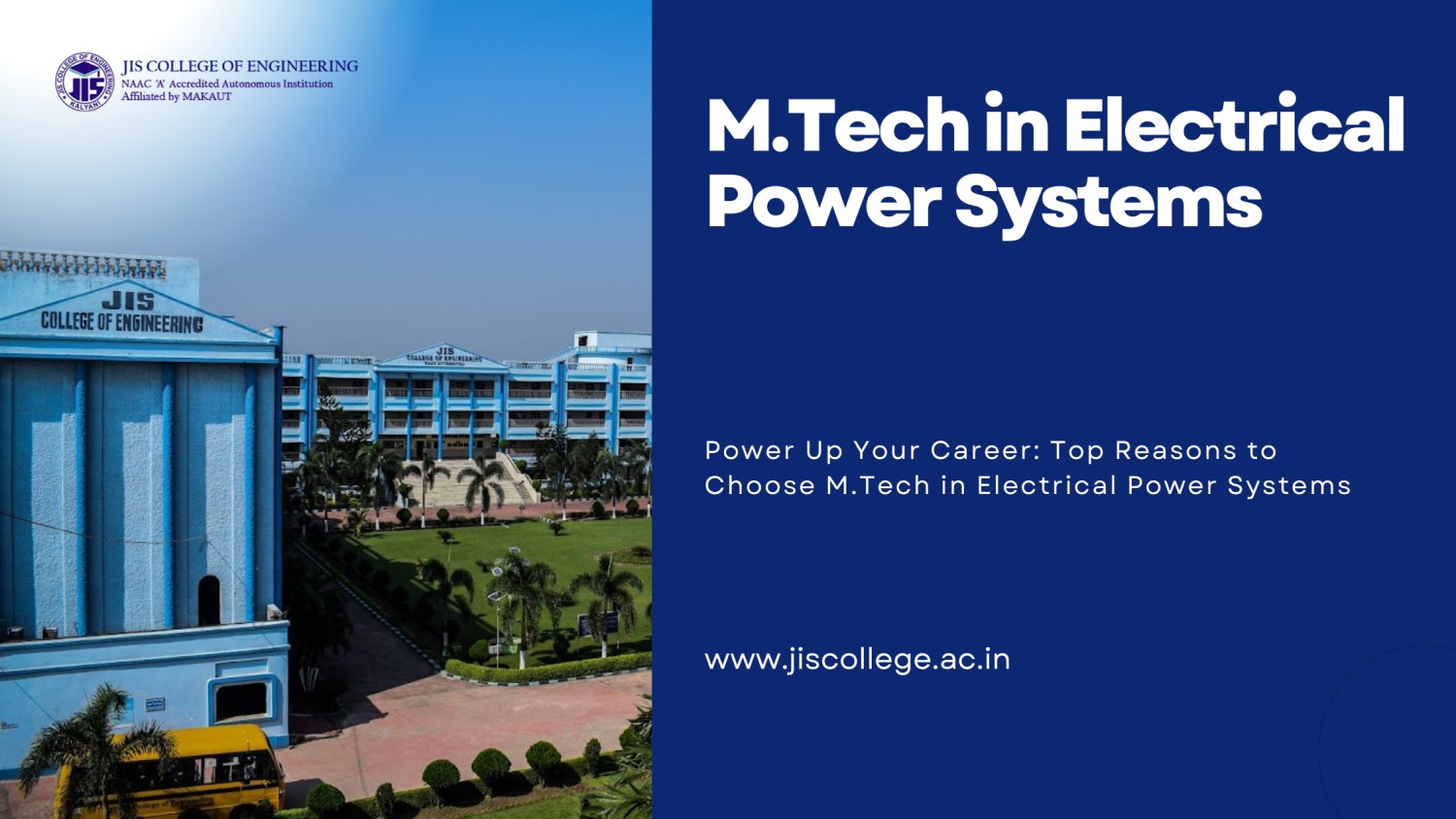
In a world increasingly dependent on reliable, efficient, and sustainable electricity, the domain of electrical power systems emerges as both foundational and transformative. As nations transition toward smart grids, renewable energy integration, and electrification of transport, the demand for adept professionals in electrical power systems engineering continues to surge. For aspiring engineers seeking to position themselves at the heart of this evolution, pursuing an M.Tech in Electrical Power Systems is not merely a postgraduate degree—it is a strategic career move.
The Strategic Importance of Electrical Power Systems
Electrical power systems serve as the lifeblood of modern infrastructure. From urban megacities to rural settlements, from critical healthcare systems to global manufacturing units, electricity drives virtually every facet of life and commerce. The intricacies of generation, transmission, distribution, and utilization require engineers with deep technical insights and the ability to innovate across traditional and emerging paradigms.
The rapid proliferation of renewable energy sources, the need for grid modernization, and the rise of decentralized generation call for expertise in advanced power system analysis, protection mechanisms, power electronics, and smart grid technologies. An M.Tech program focused on electrical power systems equips students with precisely this multidimensional skill set.
A Curriculum Aligned with Future Demands
The M.Tech in Electrical Power Systems offered by premier institutions such as JIS College of Engineering (JISCE) is carefully crafted to address the evolving demands of the power sector. The curriculum strikes a critical balance between theoretical foundations and hands-on applications. Key modules typically include power system analysis, high voltage engineering, power system protection, control systems, power quality, renewable energy systems, and energy management. Electives in smart grid architecture, FACTS (Flexible AC Transmission Systems), HVDC (High Voltage Direct Current) transmission, electric vehicle integration, and AI in power systems provide students with an edge in niche and emerging areas. Laboratory work, simulation tools such as MATLAB and PSCAD, and industry-oriented mini projects further enhance experiential learning.
Research, Innovation, and Industry Integration
One of the hallmarks of a compelling M.Tech program is its integration of research with practical outcomes. At institutions like JISCE, research in electrical power systems is encouraged through collaborations with national agencies, utilities, and private-sector entities. Areas of active investigation include renewable energy forecasting, grid stability analysis, smart metering infrastructure, and optimization of distributed energy resources. Students are mentored by experienced faculty and exposed to conferences, paper publications, and technical symposiums. JISCE’s focus on real-world relevance ensures that graduates not only grasp advanced theoretical concepts but also understand their practical implications within the current energy landscape.
Technological Infrastructure and Learning Ecosystem
The learning environment plays a pivotal role in shaping competent engineers. JISCE and similar forward-thinking institutions invest heavily in modern laboratories and simulation centers. Facilities include power system simulators, real-time digital simulators (RTDS), SCADA systems, and hardware-in-the-loop setups that allow students to analyze real-world scenarios in controlled academic settings. Access to such technology fosters confidence and competence, preparing graduates to take on roles that require high levels of technical precision. Furthermore, partnerships with public utilities and private power firms provide opportunities for internships, live projects, and placements, ensuring students engage deeply with the industry before they graduate.
Career Opportunities in a Rapidly Expanding Sector
The employment landscape for M.Tech graduates in electrical power systems is vast and continually expanding. Core sectors include power generation companies, transmission and distribution utilities, renewable energy firms, manufacturing industries, electric vehicle infrastructure providers, and consultancy services. Roles span from system design and grid planning to project management and policy advisory. Graduates also find opportunities in government bodies such as the Central Electricity Authority (CEA), public sector undertakings like NTPC, Power Grid Corporation, and BHEL, as well as in regulatory commissions and energy research institutions. Those inclined toward academia or research can pursue doctoral studies or work in think tanks shaping the future of energy policy.
Conclusion
As the global energy ecosystem pivots toward smarter, cleaner, and more resilient power systems, the role of highly skilled electrical engineers has never been more critical. An M.Tech in Electrical Power Systems is more than an academic credential—it is a launchpad into the next generation of energy innovation. Institutions like JISCE provide an ideal environment to cultivate the necessary expertise, fostering professionals who can lead with insight, drive technological progress, and contribute meaningfully to a sustainable energy future. For aspiring engineers, the choice is clear: power up your career where it matters most.